About the Speaker
I have a background in addiction science, recovery systems and community building combined with a clear, respectful communication style that resonates with young audiences. My personal journey through opioid addiction into long-term recovery is a primary motivator for helping others and educating our young how to make better choices in their futures.
My work focuses on:
Understanding addiction beyond stereotypes
Exploring why people make the choices they do
Helping individuals and communities build healthier futures
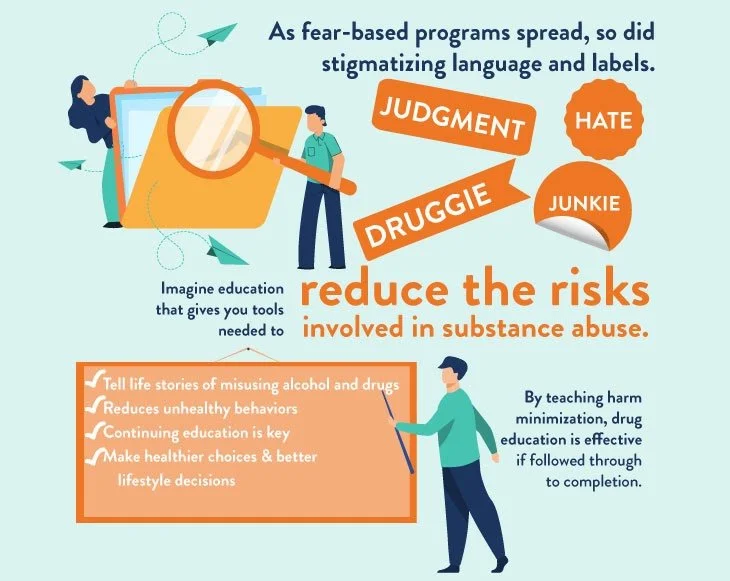
Real Conversations - Not Scare Tactics
Today’s students are growing up in a world where substances are highly accessible, increasingly potent, and more normalized than ever before. I speak to middle school and high school students using honest, age-appropriate, and scientifically-informed conversations that respect their intelligence and lived reality. The goal isn’t to scare students into compliance. Instead, I encourage them to think clearly, make informed choices, and understand how habits, environments, and decisions shape their futures.
What Makes These Talks Effective
Students Are Treated as Thinkers
Rather than telling students what to do, I help them understand:
How addiction actually develops
Why some people are more vulnerable than others
How stress, boredom, social pressure, and identity play a role
Why “just say no” doesn’t work
Grounded in Science and Experience
The content is informed by:
Current addiction and neuroscience
Behavioral psychology
Social and environmental risk factors
My own lived experience with drug addiction, overdose, death of friends from overdose, and recovery
Focus on Choice, Agency, and Future Impact
Addiction prevention is ultimately about helping young people see their futures’ more clearly by helping them explore:
How short-term choices can shape long-term outcomes
The difference between experimentation and risk patterns
How habits form and how they can be effectively interrupted
Why protecting future options matters
Topics Covered
What addiction really is and isn’t
How the brain responds to substances during adolescence
Why teens are more vulnerable to addiction than adults
The role of stress, anxiety, loneliness, and social pressure
Alcohol, vaping, cannabis, and emerging substances
How marketing and social media influence behavior
Healthy ways to cope with stress and uncertainty
How to help a friend without becoming responsible for them
Making decisions with your future self in mind
Each talk is tailored to the age group, community context, and school goals.
For Schools and Educators
Aligned with Educational Goals - Administrators appreciate that the messaging is responsible, balanced, and evidence-informed. These presentations support:
Health and wellness curricula
Social-emotional learning (SEL) goals
Mental health awareness
Prevention and early intervention efforts
Available Event Formats
School assemblies
Classroom-sized interactive workshops
Professional development for educators
Parent information sessions
Sessions can range from 60 to 90 minutes and include time for Q&A.